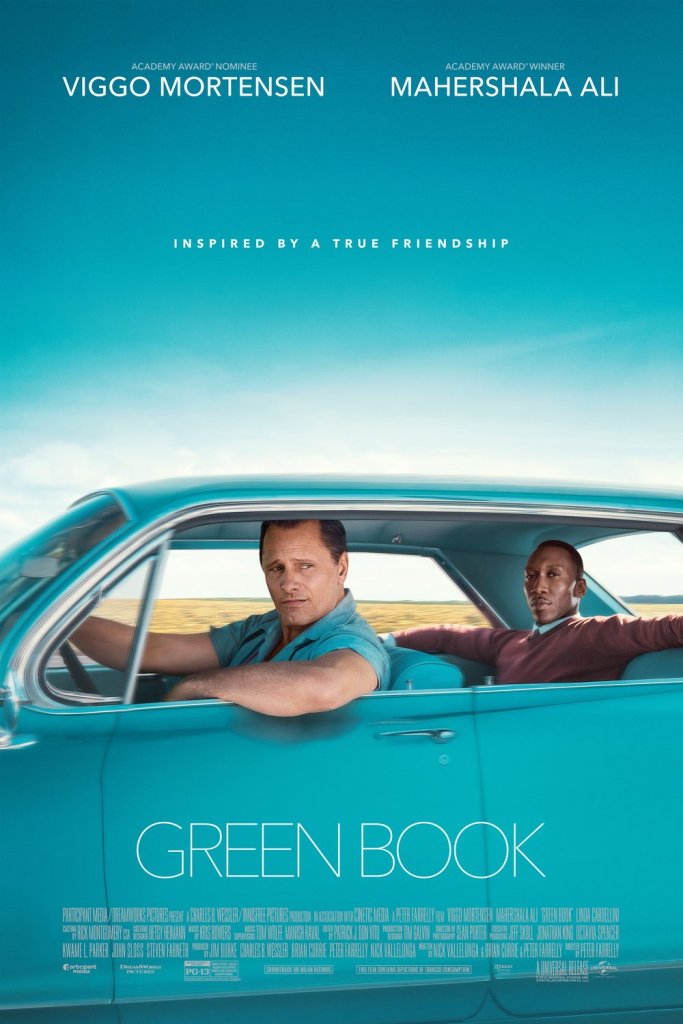
Orientalism is the way that we- as westerners view and stereotype the people and cultures which make up the eastern world. Though the general idea of orientalism stems from a group of people placing their own ideas on labels on another group simply because they are different; this concept can be represented in many different situations. The film Green Book confronts us with the segregation between whites and blacks in the southern U.S during the early 20th century.
Orientalism is prevalent from the moment we are introduced to Dr. Don. His New York City apartment is filled with “exotic” (to us westerners) pieces: African sculptures, elephant tusks, glassware. Dr. Don is clearly in a financial position to be able to afford these luxury goods, but it still dramatized eastern culture- which I’m sure was very intentional.
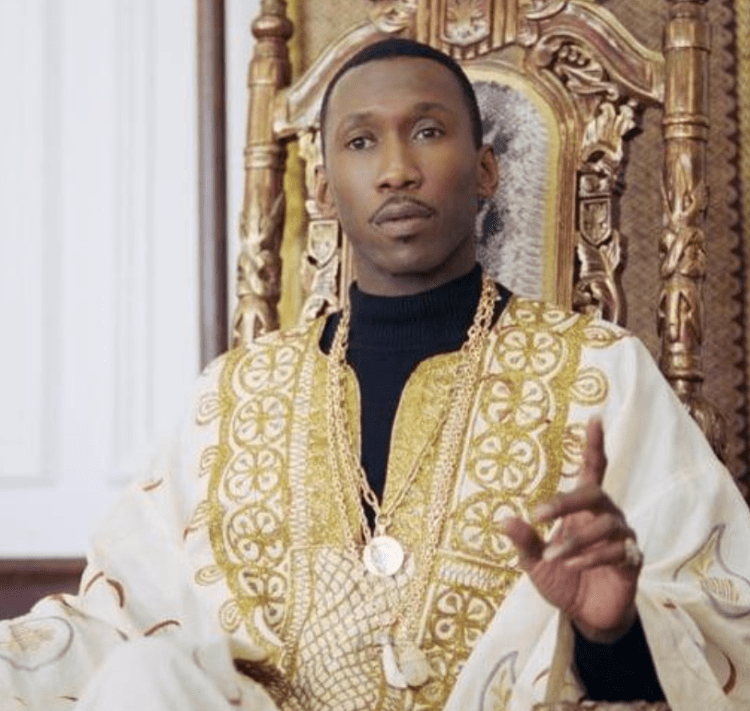
Edward Said, in his book Orientalism describes that “The relationship between Occident and Orient is a relationship of power, of domination.” The treatment of Dr. Don throughout the film attests to this claim. Time after time, whites place labels on Dr. Don before making an effort to know him. Both Tony and the hosts of a dinner party he performed at just assumed that since he was black, Dr. Don must love fried chicken. This might seem insignificant in magnitude compared to some other possible stereotypes, but is a straightforward representation of how whites are quick to place labels in the film. There also were many moments of sheer segregation and overpower: a white shop owner refusing to let Dr. Don try on a suit, a dinner party host refusing to let him use the restroom. In their own way, these show the dominance many westerners feel they are entitled to have over easterners
One of the most compelling facets of The Green Book to me was that despite the typical stereotypes and segregations shown, there was still a sense of role reversal. In a film set during this time of American history, I think most would be quick to assume that the black man would be the one chauffeuring the intelligent rich white man throughout the country. In fact, it was the other way around. Dr. Don was the wealthy, well-spoken, well-dressed man, helping Tony write eloquent letters to his family, critiquing his smoking and badgering him to not swear. It was a different perspective than the one usually seen in movies from this time- and while there were difficult moments to see- it was a refreshing shift. My predisposition to see things from an orientalist perspective never would have let me assume Dr. Don would be the one to save him and Tony from jail. Despite Dr. Don’s humiliation about the situation, it was a powerful moment.
While the whites in this film wanted the power and thought they had the power, Dr. Don truly held the power. The Green Book challenges our predisposed orientalist views, giving us a heavy reminder of the difficult past our country has faced.
 Greta Ghei