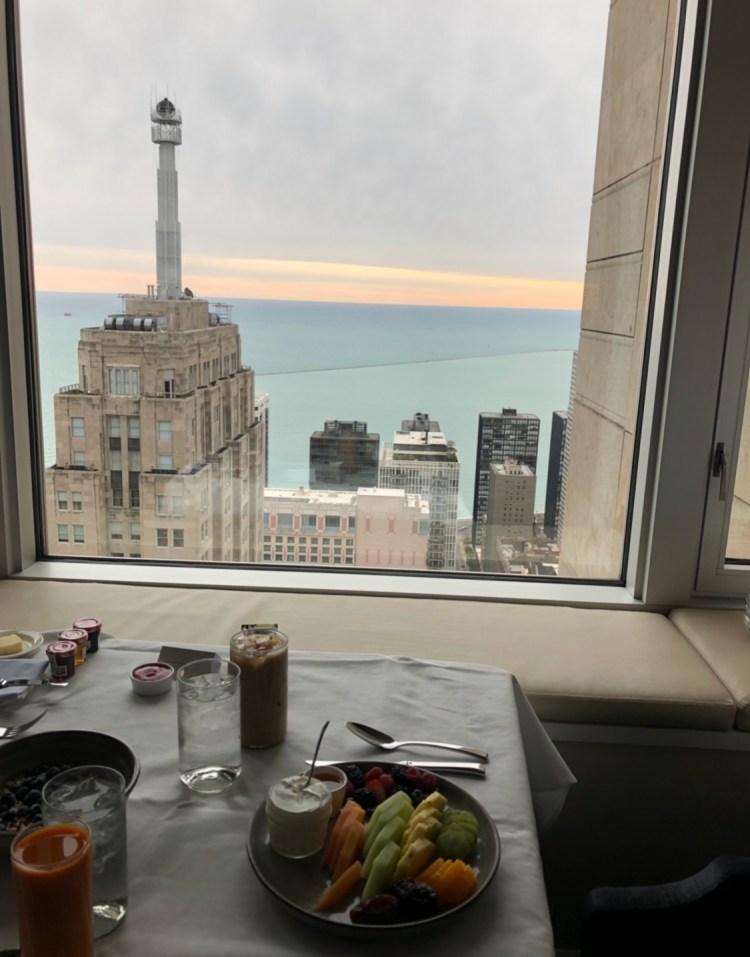
For every opportunity you have to learn about a foreign culture, you have one to enrich the knowledge of one you are familiar with. When I saw that Anthony Bourdain had filmed an episode of his Parts Unknown series in Chicago, I took it as the opportunity to learn more about a city special to me. My frequent visits to Chicago have given me a terministic screen that makes Chicago seem comfortable. I hear ‘Chicago” and am reminded of the crisp wind, holidays at the Peninsula hotel, my eleventh birthday at the Ritz Carlton. To me, Chicago is safe, although I am able to acknowledge that my time there has been primarily spent on the Gold Coast. The magnificent mile as they call it- is where the money is, and where my perspective of Chicago has been formed. There is an extraordinarily different side of Chicago that I have not been exposed to.
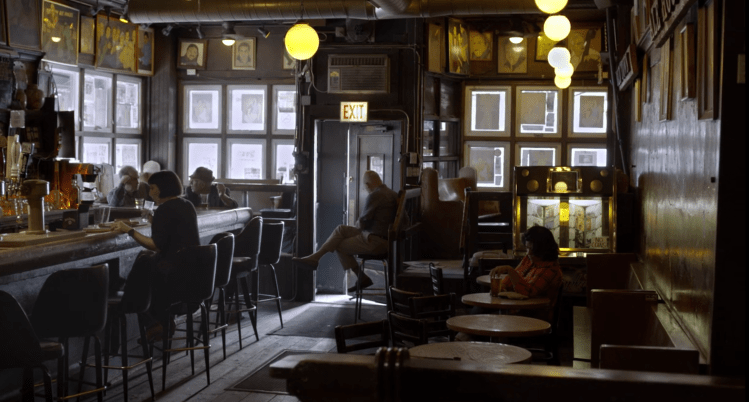
Anthony Bourdain’s time in the city deconstructed many, but particularly one stereotype about Chicago: that it’s a city lacking culture. It’s true, the streets of downtown are filled with white men sprinting in suits, high rise offices, and many Starbucks; but beyond this facade is a diverse city bursting with culture. This TimeOut Article suggests to check out the “deep storefront theater scene, new-music troupes on the bleeding edge of classical, a lively avant-garde jazz community, art galleries.” Bourdain spent quality time at both The Old Town Ale House- a popular bar with a 4 am liquor license and Lupe Fiascos childhood home. Both of these experiences show a side of Chicago that goes against its stereotype. It was clear to me that this episode of Parts Unknown would disprove the stereotype that Chicago is just another finance hub through a multimodal approach of interviews, scenic shots, and visits to popular local hangouts.
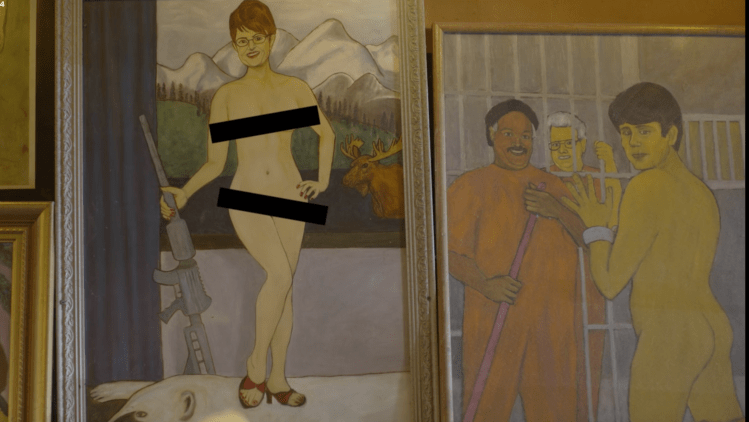
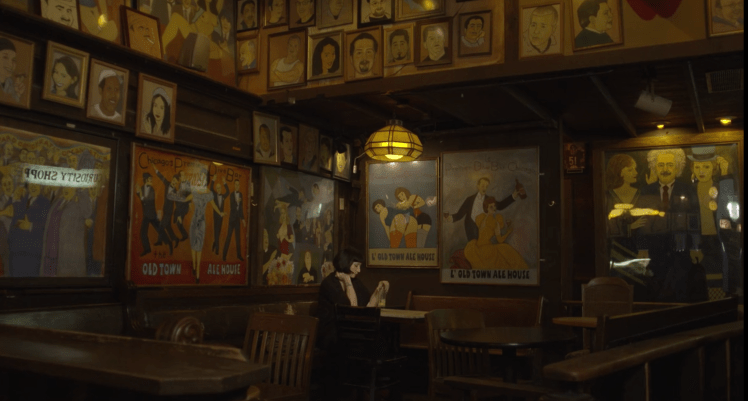
At the Old Town Ale House, owner Bruce Elliot gave Bourdain the rundown on bar culture. He laughed about the bars “no shot list,” a list of customers permitted to come to hang out for a drink, but forbidden from taking shots. Getting banned from the Ale House usually requires punching someone- more than once. I found this amusing as it perfectly represents the value many Chicagoans put on being tough-skinned. The Ale House walls are filled with explicit paintings of politicians (think Putin, but he’s wearing nothing but a ballet tutu). From the conversations of the bar-goers, I could tell that they go there for a good time; to get away from the stresses of their day. Elliot’s motto is “bar people do not live as long as vegan joggers, however, they have more fun.” I’m really glad Bourdain experienced and showed a true midwest bar experience. Bar culture is so big in the midwest. Midwesterners value old, established bars way more than the new and trendy ones (yes, even most Millenials). It’s a right of passage to turn 21 and go with your parents to the bars they have been going to since they were your age. For this, I’m so glad Bourdain chose to visit a bar that is so integrated into Chicago’s history. I think his time at the Old Town Ale House provided him a look into the ethos of Chicago by way of a true midwest drinking experience, and there’s nothing uncultured about that.
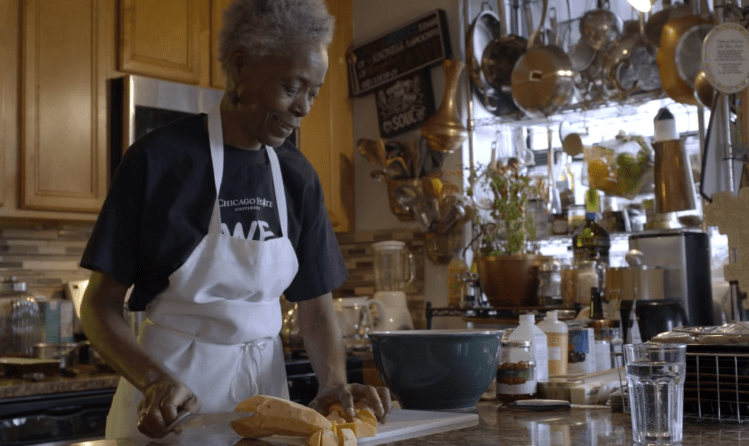
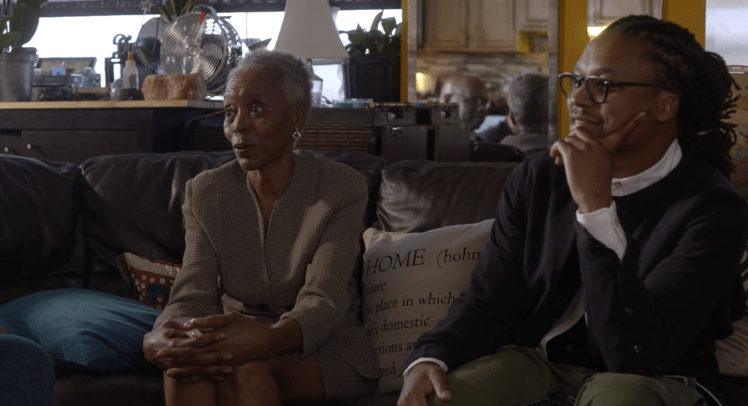
After exploring Chicago’s bar culture, Bourdain met up with Lupe Fiasco for a homey and humble Chicago experience. Fiasco acknowledged his privilege to have grown up in Chicago with two intelligent, politically oriented parents to help form his terministic view of the city. It is well established that Chicago deeply suffers from violent crime. In fact, a New York Times article published just this month quoted “Mount Sinai Hospital in Chicago was so overwhelmed that its emergency department temporarily stopped accepting patients with gunshot wounds in the early morning.” When I visit Chicago, we stick to the areas we know as the crime is so saturated, you really can’t ignore the prevalence of the issue. Lupe credits his parents for teaching him to be both “book smart and street smart,” so while he is able to comprehend the massive murder/gang issue Chicago faces, (even referring to the city as “chiraq”) he still holds the perspective of a privileged outsider. During this conversation, Lupe is accompanied by his mom, Shirley, who gave such a valuable insight into the ethos in Chicago by sharing her perspective on the city. As I watched people bustling in and out of her small apartment, grabbing plates of her incredible soul food: mac n cheese, collard greens, and cornbread, I could sense how deeply rooted their community truly is. Shirley credits much of Chicago’s culture to “the southern people, who brought [their] spirit,” during the great migration. She claims its why “Chicago has a warm spirit, a loving spirit.” Showing this strong sense of community really broke down the facade that makes Chicago look like all work, no play. The insights given on Chicago’s cultural history by the Fiascos were a fundamental part of this episode’s ability to make Chicago look like a well-rounded city.

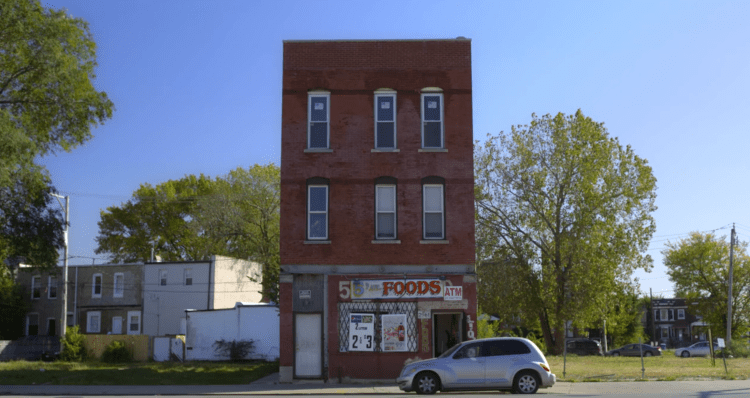
I’m sure that Bourdain’s terministic screen of Chicago changed after filming this episode, and mine did too from watching. His multimodal approach encompassed diverse people, music, food-both cheap and upscale, and scenery- both beautiful and violent. Between sitting at local bars, going to Chinatown, speaking with baseball fans, and enjoying a home-cooked meal with Lupe Fiasco’s lovely family, Bourdain had a more well-rounded visit to the incredible city of Chicago than I have in my hundreds of visits there. I feel inspired to take my next weekend in Chicago beyond the magnificent mile to see the true ethos of the city. Bourdain says it best, “Chicago is a town, a city that doesn’t ever have to measure itself against any other city. Other places have to measure themselves against it. It’s big, it’s outgoing, it’s tough, it’s opinionated, and everybody’s got a story.”
 Greta Ghei