“Every person will express his or her belief in their own particular way, yet they’re all perspectives generated from within our mind and our hearts that affect our outward look on life.” For me, religion was never a big deal at home. My dad came from a Hindu background while my mom’s family are practicing Catholics. We celebrate Catholic holidays but beyond a church service or two and saying grace on holidays, religion was rarely on my mind. Though throughout life’s trials and tribulations, I have still turned to faith. Although never have I entrusted my faith in a higher being, I’ve put faith in myself to do my best, faith in my family that they will always support me, and faith in my friends that they will stand by me. I believe that no matter what one does with their faith, it is valuable to one’s sanity.
As I have gotten older, and especially since coming to college, I have come to meet, know and love people from so many diverse backgrounds, placing religion on my mind more. Coming to this realization has given me the desire to explore more deeply how faith influences others differently than it does me-particularly other college students. I heard from some friends that Shabbat at Chabad is a fun, lovable and welcoming space on Chapmans campus. Chabads weekly Shabbat is a time for Jewish (and non-Jewish in my case) members of the Chapman community to gather in their common faith. Chabad became the perfect opportunity for me to reflect on my own faith, so I took it- and this is where it led me.

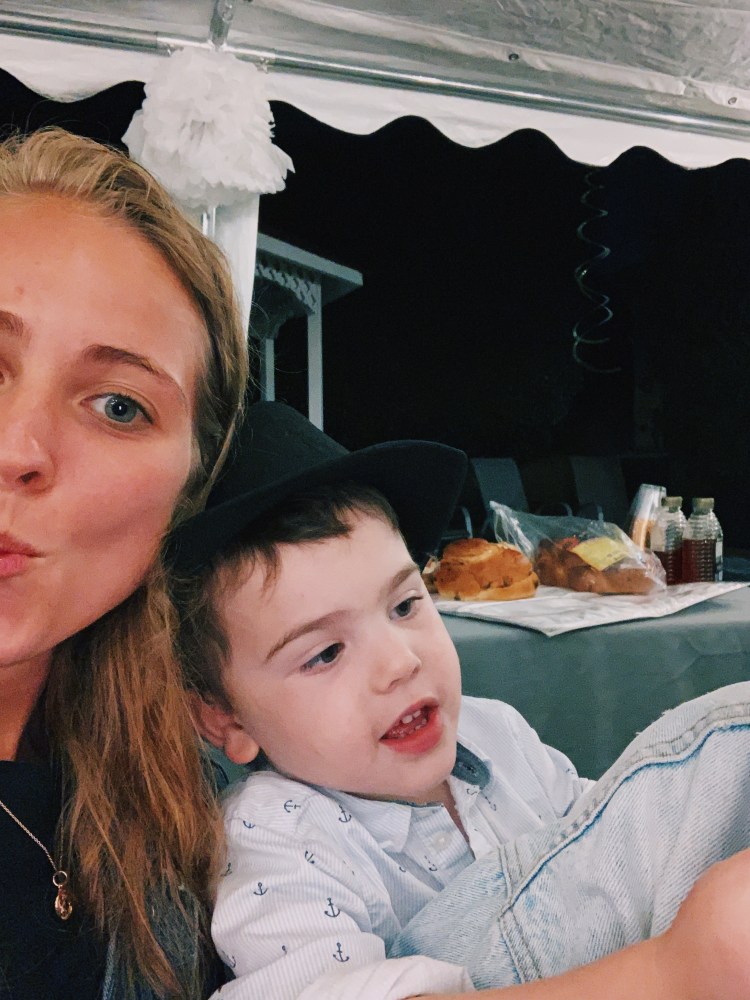
Everyone defines and values the term faith in their own way. It is easy to forget that faith is not just about religion. In a HuffPost article regarding the differences between faith and religion, religious scholar Reza Aslan interpretes that “faith is personal and mysterious and individualistic and inexpressible and indefinable. Religion is merely the language that you can use to express what is fundamentally inexpressible, to define what is undefinable.” This definition resonated a lot with the way that I feel about the differences between faith and religion. While many do entrust their faith into a higher being, others hold their faith within them, hand it to the world, or a combination of these. I found this to be true when I was at Chabat, while (almost) everyone was jewish, religion held different magnitudes of importance to each member. Rabbi Eliezer’s life revolves around religion, his faith is a core piece of him. For some, Chabat and Judaism is more about the community rather than the religious facet. My friend Lexie is Jewish, and describes Chabad as “home away from home,” to her, Chabad “means the opportunity to continue practicing Jewish traditions and continue to be immersed in my culture.” It can be difficult for college students to prioritize their faith, and Chabad makes it easy. Another friend of mine Kate, is half Jewish and while she doesn’t celebrate Jewish holidays or practice Judaism, she goes to Chabad hoping to learn more about a religion she semi identifies with. She told me that “Chabad is the perfect example of community. Everyone comes together to support and celebrate each other even if they aren’t Jewish… It’s also a way to get introduced to Jewish customs as someone who never practiced them before.” I felt similar to Kate, coming from no Jewish background at all, Chabad was a great place to simply learn about a religion, something that I think is important to do in this world filled with religious discrimination. The different experiences at Chabad emphasize how religion plays a different role in everyone’s life. I began seeing that despite the large variations in values, beliefs, ideas, etc of different religions, and the way individuals hold faith; all share a similar purpose. A Medium article written by Peter LJ Hesen, titled “Faith vs Religion” guided my understanding of this. Hensen goes into a really great personal reflection of how he distinguished faith from religion in his own life. He says, “To me, there is a clear distinction between ‘faith’ and ‘religion’, a distinction that is often blurred, confused — corrupted even — in conversations, literature, news headlines, and public discourse.” He explains well how not everyone needs or has religion as a part of their intersectionality, but faith is present within all of us in some way. Its fascinating to me how the spectrum of faith and religion is so expansive and individual.
Heading to Shabbat, I had no idea what to expect. I worried that there may be a religious ritual/prayer where I wouldn’t know what to do, that I would feel self-conscious that I wasn’t Jewish, or that others would be bothered that I wasn’t Jewish. Though, As soon as we arrived, I felt at ease- comforted by the scent of a home cooked meal. We headed to the backyard where everyone sat among each other, casually chatting, snacking on hummus and challah, sipping on wine and grape juice. My friends and I found open seats at a table and began doing the same. We ended up talking to some other students sitting around us, quickly making new friends. Not long after, Rabbi Eliezer asked everyone to quiet down so he could say a few things before dinner was served. In this short transition period, I had a quick second to think about the conversations I had and realized that nobody ever asked if I was Jewish; attesting to the welcoming environment of Chabad. Rabbi spoke about how ‘we’ turn to God during times where we need support and guidance- especially with the new school year in full swing. He emphasized ways we integrate God and faith into our everyday lives. While everything he was saying was of course in context to the Jewish religion- I was still able to comprehend. As he spoke, I could remove the word God from his words, replace it with something or someone else and still apply his insight of faith into my own life. This really speaks to how faith is such an integral part of the way we live, and how “religions can fulfil the need of the needy, but they are but a surrogate to the root, faith. Faith is a condition of the heart and a state of mind.” Religion is not for everyone, but for the people who do practice, religion-it is of great importance to their intersectionality.
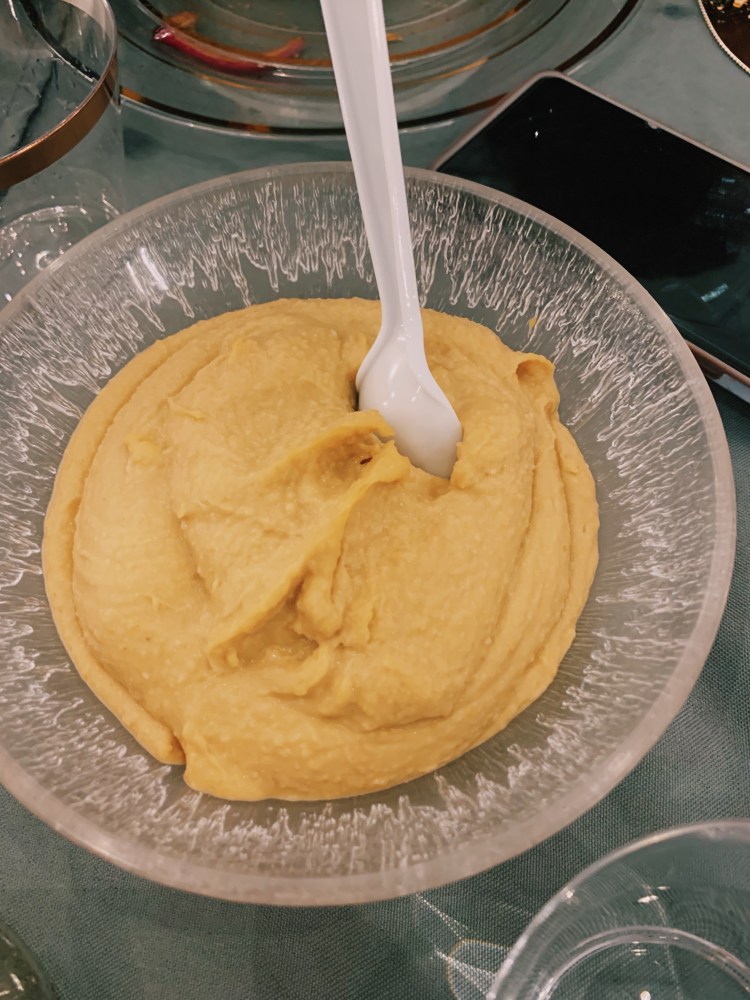
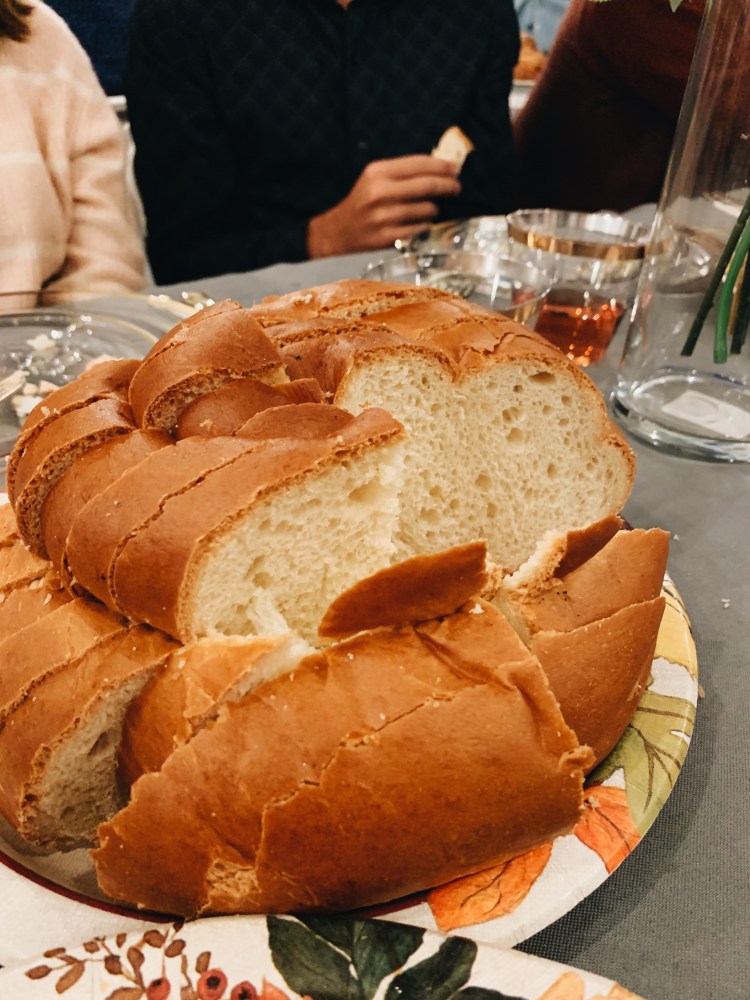
Chapman Chabad was just one opportunity for me to reflect on my own experiences with faith and religion. I hope to not only go back to Chabad but also maybe another religious group on campus. I learned that the Jewish community at Chapman is accepting, nonjudgmental, and warm. If you are Jewish and looking to dedicate more time to your religion, or aren’t and just want to learn more about Judaism or religion in general, I highly encourage attending Chabad. Rabbi will be thrilled to meet you and excited to have you. In a world where so many judge or even hate others based on their religion-Chabad reminded me of the beauty that faith and religion mean something unique to each one of us.
 Greta Ghei